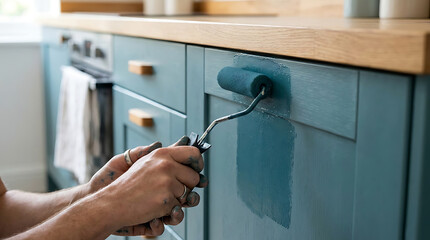
A kitchen makeover does not always require a massive renovation budget. Sometimes, one of the most effective ways to transform a space is by updating the cabinets that define its overall appearance. Cabinets occupy a large portion of the visual space in kitchens, bathrooms, and laundry rooms, which means their condition can greatly influence how modern and attractive a room feels. When cabinets begin to look outdated, worn, or faded, many homeowners start exploring ways to refresh them without replacing them entirely.
Cabinet Painting Sacramento has become one of the most popular home improvement projects because it offers a dramatic transformation at a fraction of the cost of cabinet replacement. However, before committing to a project, homeowners often want to know exactly how much cabinet painting costs and what factors influence the final price. Understanding these details can help homeowners make informed decisions and maximize the value of their investment.
What Is Cabinet Painting?
Cabinet painting is the process of applying a new paint finish to existing cabinets while preserving their original structure. Rather than removing and replacing cabinets, painting focuses on improving their appearance through surface preparation, priming, painting, and protective finishing.
The process allows homeowners to completely change the color and style of their cabinets without the expense and disruption associated with installing new cabinetry. Cabinet painting is commonly used in kitchens, bathrooms, home offices, laundry rooms, and other areas where cabinets play a significant role in the overall design.
Because the cabinet boxes remain intact, painting is generally a more affordable remodeling option. It also allows homeowners to maintain the functionality of their existing cabinetry while creating a fresh and updated look.
The final cost of cabinet painting depends on several factors, ranging from cabinet size and condition to paint selection and labor requirements.
Average Cost of Cabinet Painting
The cost of cabinet painting can vary significantly based on the scope of the project. Smaller spaces with fewer cabinets naturally require less labor and fewer materials, while larger kitchens with extensive cabinetry involve greater time and expense.
Most cabinet painting projects are priced according to the number of cabinet doors, drawer fronts, and overall square footage of cabinetry. The complexity of the project also influences the final price.
While homeowners may be tempted to compare painting costs directly to replacement costs, it is important to recognize that cabinet painting generally provides substantial savings. New cabinets often represent one of the largest expenses in a kitchen remodel, whereas painting offers a way to achieve a dramatically updated appearance without replacing functional cabinetry.
The value of cabinet painting extends beyond the initial price. Many homeowners find that the visual transformation achieved through painting provides an impressive return on investment.
Factors That Affect Cabinet Painting Costs
Several factors contribute to the total cost of a cabinet painting project. One of the most significant considerations is the number of cabinets involved. Larger kitchens naturally require more preparation, paint, and labor.
The design of the cabinets also plays a role. Cabinets with intricate detailing, raised panels, decorative trim, and custom features require more time to prepare and paint than simple flat panel designs.
The condition of the cabinets is another major factor. Cabinets that have accumulated years of grease, dirt, scratches, or minor damage may require additional cleaning, repairs, and preparation before painting can begin.
The type of paint selected can influence costs as well. High quality cabinet paints often cost more than standard interior paints, but they typically offer superior durability and performance.
Additional factors such as accessibility, project complexity, and desired finish quality can also affect the final price. Every project is unique, which is why professional evaluations are often necessary for accurate estimates.
Why Preparation Impacts the Overall Cost
Preparation is one of the most important stages of cabinet painting and often represents a significant portion of the project’s labor costs. Proper preparation ensures that paint adheres correctly and delivers long lasting results.
The process usually begins with removing cabinet doors, drawer fronts, hinges, handles, and other hardware. This step allows for more thorough access to all surfaces and contributes to a more professional appearance.
Cleaning follows next. Kitchen cabinets are frequently exposed to cooking oils, grease, moisture, and daily handling. These contaminants must be completely removed before painting begins.
After cleaning, surfaces are inspected for scratches, dents, cracks, and other imperfections. Necessary repairs are completed before proceeding with the painting process.
Sanding is another essential preparation step. It creates a surface that allows primer and paint to bond properly. Depending on the condition of the cabinets, sanding may require considerable time and effort.
While preparation increases labor costs, it is crucial for achieving a durable and attractive finish that lasts for years.
The Role of Primer and Paint Selection
Primer and paint selection have a direct impact on both project costs and long term performance. High quality materials may increase the initial investment, but they often provide better durability and appearance.
Primer creates a stable foundation for the paint. It helps seal surfaces, improve adhesion, and prevent stains or discoloration from affecting the final finish. Certain cabinet materials require specialized primers designed to bond effectively with challenging surfaces.
Cabinet paints are formulated differently from standard wall paints. Because cabinets experience frequent contact, cleaning, and moisture exposure, they require finishes that resist scratches, stains, and wear.
The finish chosen also influences the final appearance. Satin and semi gloss finishes remain popular because they balance durability with aesthetic appeal. Specialty finishes, custom colors, and decorative effects may require additional materials and labor, increasing overall costs.
Selecting premium products often contributes to a longer lasting finish and better overall value.
Labor Costs and Professional Expertise
Labor is often one of the largest components of cabinet painting costs. Unlike standard interior painting, cabinet painting requires meticulous preparation and precise application techniques.
Professional painters spend considerable time preparing surfaces, masking surrounding areas, applying primer, painting multiple coats, and ensuring a smooth finish. Each stage requires skill and attention to detail.
Cabinet painting demands greater precision because imperfections are more visible on cabinetry than on walls. Achieving a smooth, factory like appearance often requires specialized equipment and techniques.
Projects involving custom finishes, color changes from dark to light shades, or extensive repairs may require additional labor. The complexity of the cabinets themselves can also influence labor requirements.
While professional services represent a significant portion of project costs, experienced workmanship often results in superior durability, appearance, and long term satisfaction.
Comparing Cabinet Painting to Cabinet Replacement
One of the most compelling reasons homeowners choose cabinet painting is the cost difference compared to replacement. Installing new cabinets involves far more than purchasing cabinetry alone.
Replacement projects typically require demolition, disposal of existing cabinets, installation of new units, and potential modifications to countertops, plumbing, and electrical systems. These additional expenses can significantly increase the overall renovation budget.
Cabinet painting avoids many of these costs because the existing cabinet structure remains in place. As long as the cabinets are structurally sound, painting can provide a dramatic visual update while preserving functionality.
For homeowners who are satisfied with their kitchen layout and storage capacity, cabinet painting often represents one of the most cost effective remodeling options available.
The ability to achieve a fresh and modern appearance without major construction makes painting an attractive alternative for many households.
Additional Upgrades That May Affect Costs
Many homeowners choose to combine cabinet painting with other upgrades to maximize the impact of the project. These enhancements can increase overall costs but often contribute to a more complete transformation.
Replacing cabinet hardware is one of the most common upgrades. New handles, knobs, and hinges can complement freshly painted cabinets and modernize the overall appearance.
Soft close hinges and drawer slides may also be added to improve functionality. These upgrades enhance the user experience while extending the lifespan of the cabinetry.
Decorative moldings, glass inserts, and other custom features may be incorporated during the painting process. While these additions increase project costs, they can significantly elevate the final result.
Homeowners should consider both their budget and long term goals when deciding which upgrades to include.
Is Cabinet Painting Worth the Investment?
For many homeowners, cabinet painting offers exceptional value. The process can dramatically improve the appearance of a kitchen or bathroom without requiring a complete renovation.
Painted cabinets often create the impression of an entirely new space. Updated colors, smooth finishes, and refreshed surfaces contribute to a cleaner and more modern aesthetic.
In addition to visual improvements, cabinet painting can increase the appeal of a home to potential buyers. An updated kitchen is frequently viewed as a desirable feature in the real estate market.
The combination of affordability, efficiency, and visual impact makes cabinet painting a worthwhile investment for many households. When completed properly, the results can remain attractive and durable for years.
Final Thoughts
So, how much does cabinet painting cost? The answer depends on factors such as cabinet size, design complexity, condition, preparation requirements, paint selection, and labor. While costs vary from project to project, cabinet painting remains one of the most affordable ways to transform the appearance of a kitchen, bathroom, or other space with cabinetry. Compared to full cabinet replacement, painting offers significant savings while still delivering a dramatic visual upgrade. For homeowners seeking a cost effective remodeling solution, cabinet painting provides an excellent balance of beauty, functionality, and long term value.